Andy Burnham Wins Makerfield By-Election, Eyes Starmer Challenge
 Jun, 19 2026
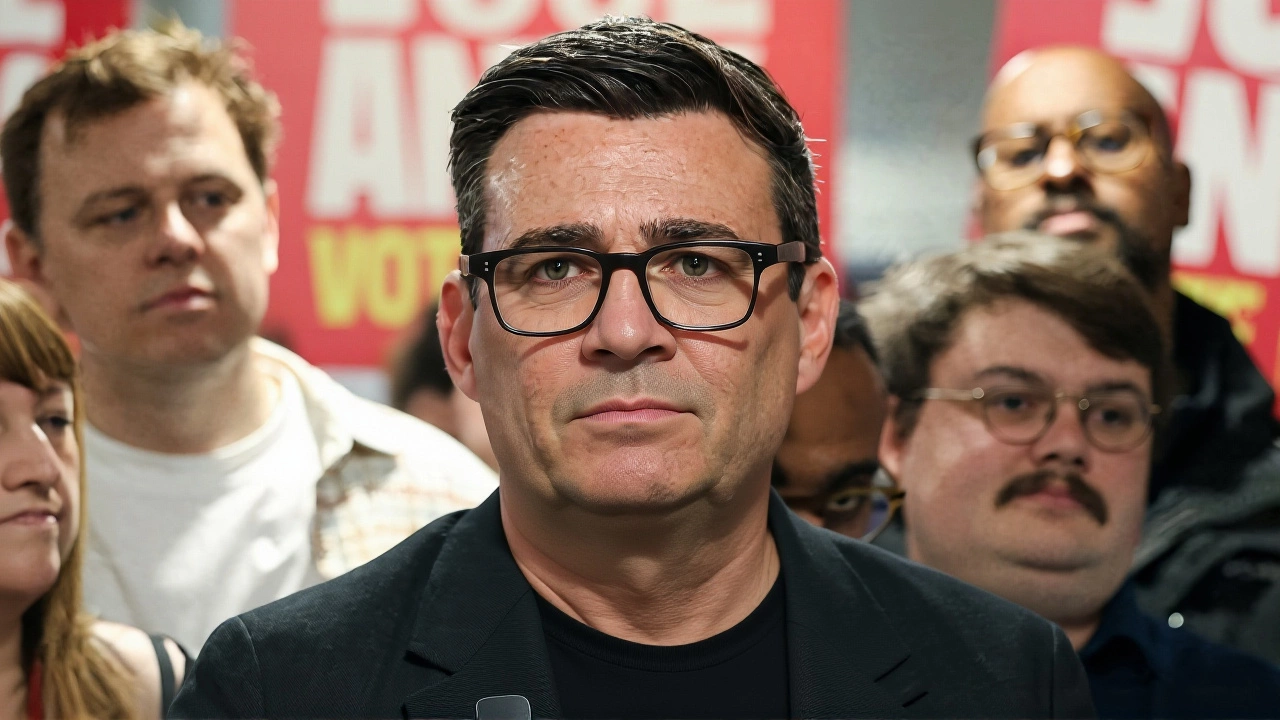
When Andy Burnham, former Mayor of Greater Manchester, stepped onto the podium in the early hours of Friday morning, he didn't just have a win to celebrate—he had a target. Having secured a commanding victory in the Makerfield constituency, Burnham has officially returned to Westminster, setting up what insiders are already calling an inevitable showdown with Prime Minister Sir Keir Starmer.
The result was declared at precisely 3:07 AM on June 19, following polls that closed on Thursday, June 18. It wasn't just a win; it was a statement. Burnham defeated Reform UK's Robert Kenyon by more than 9,000 votes, capturing 24,927 ballots and roughly 54% of the vote share. For context, this margin is significantly larger than Labour’s majority in the previous general election for the same seat.
A Decade in the Making
Here’s the thing about political comebacks: they rarely happen without careful planning. Burnham left Parliament nearly ten years ago to become the mayor of Greater Manchester. That decade-long stint in local government gave him a distinct brand—approachable, regional, and deeply connected to working-class voters in the North West.
But his return isn’t accidental. The Makerfield by-election was widely billed as "Britain's most closely watched by-election." Why? Because everyone knew this was a litmus test. Could Burnham still command the loyalty of the Labour base? Could he outmaneuver the populist surge led by Nigel Farage? The answer, apparently, is yes.
"Everyone knows that politics isn't working," Burnham said in his victory speech. It’s a blunt line, but it carries weight. He’s positioning himself not just as a candidate, but as a critic of the current establishment—including, implicitly, his own party’s leadership.
The Numbers Tell the Story
Let’s look at the data, because it’s surprisingly decisive. In a political climate where margins are often razor-thin, Burnham’s performance was robust:
- Andy Burnham (Labour): 24,927 votes (~54%)
- Robert Kenyon (Reform UK): ~15,900 votes (~35%)
- Victory Margin: >9,000 votes
This isn’t just a statistical blip. It suggests that despite the national rise of Reform UK, traditional Labour strongholds like Makerfield—located near Wigan, Burnham’s political home turf—remain resilient under his leadership. The BBC noted that Labour actually increased its majority compared to the last general election, which is a rare feat in today’s fragmented political landscape.
Why This Matters for Starmer
But wait—there’s a twist. While the immediate headline is about beating Reform UK, the subtext is entirely about Sir Keir Starmer. As Prime Minister, Starmer holds the reins of power, but his grip on the party’s soul has been questioned since the general election. Burnham’s victory gives him a seat in the House of Commons, which is the prerequisite for mounting a leadership challenge.
Media outlets, including the BBC and The i Paper, have explicitly framed this win as "paving the way" for a leadership contest. It’s not a done deal, obviously. Leadership elections require nominations from MPs and support from party members. But Burnham now has the platform, the mandate, and the momentum.
Interestingly, the campaign avoided direct attacks on Starmer during the by-election itself. Instead, Burnham focused on local issues and broader critiques of "politics not working." This strategic ambiguity allows him to build capital without alienating moderate voters who might be wary of internal party squabbles.
Reform UK’s Setback
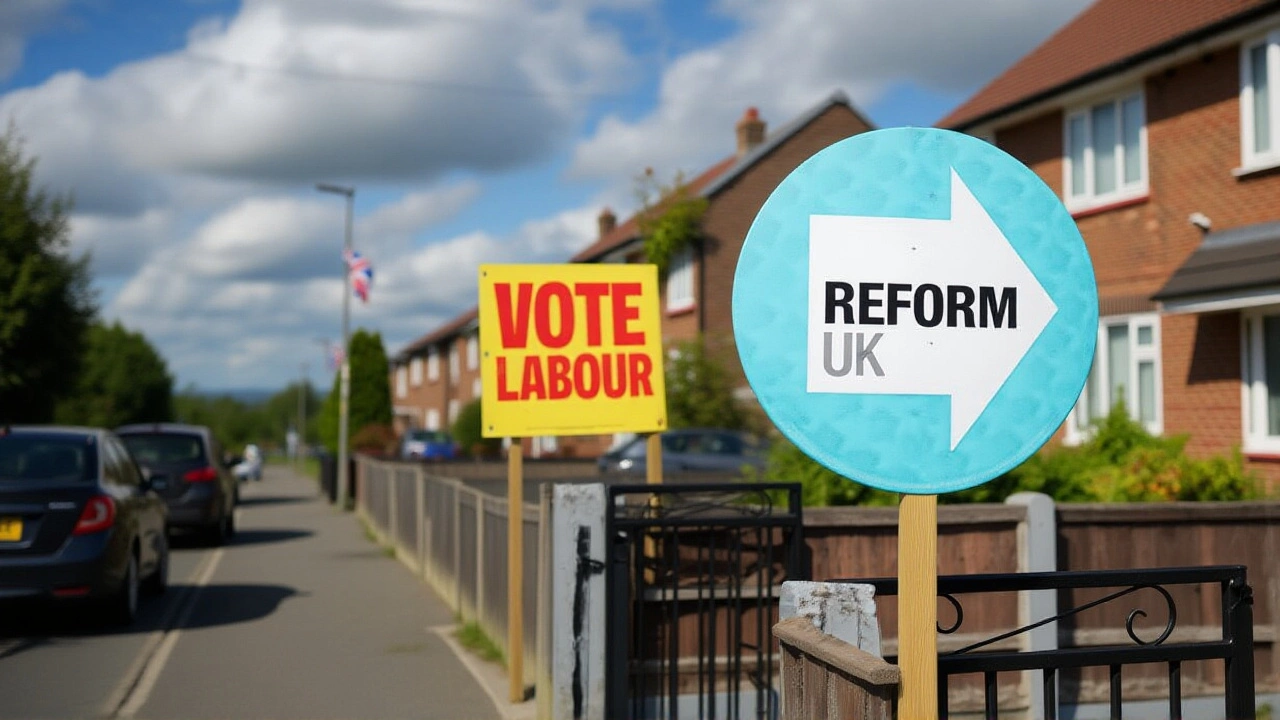
For Reform UK, this is a notable setback. Nigel Farage’s party has been riding a wave of anti-establishment sentiment, winning several high-profile by-elections recently. Makerfield was seen as a key battleground to prove their reach into traditional Labour heartlands.
Robert Kenyon, the Reform candidate, put up a respectable fight, securing around 35% of the vote. That’s a significant number, indicating that dissatisfaction with the status quo remains high. However, it wasn’t enough to overcome Burnham’s deep local roots and organizational machine.
The loss reinforces the idea that while Reform UK can disrupt two-party systems, they struggle to displace entrenched Labour figures in core constituencies—unless those figures are absent or unpopular. Burnham, clearly, is neither.
What’s Next?
The details of Burnham’s next moves are still unclear, but the timeline is tight. With a seat in Parliament, he can now begin the formal process of building a coalition for a leadership bid. This will involve lobbying MPs, rallying grassroots supporters, and defining a policy agenda that distinguishes him from Starmer.
Expect to see increased media scrutiny on any policy differences between Burnham and the Prime Minister. Topics like public service funding, economic strategy, and relations with trade unions will likely come to the fore. Burnham’s background as a mayor dealing with austerity measures gives him credibility on these issues.
For now, the political world watches and waits. The Makerfield by-election was just the opening act. The main event—the potential leadership challenge—is yet to begin.
Frequently Asked Questions
Why is Andy Burnham challenging Keir Starmer?
Burnham’s victory in Makerfield provides him with a parliamentary seat, which is required to challenge for the Labour leadership. Critics argue that Starmer’s approach has been too cautious, and Burnham positions himself as a more dynamic alternative who understands the struggles of ordinary people, particularly in northern England.
Who did Andy Burnham defeat in the by-election?
He defeated Robert Kenyon, the candidate for Reform UK. Kenyon received approximately 35% of the vote, while Burnham secured 54%. The win was significant because it showed Labour’s resilience against the rising popularity of Nigel Farage’s party in traditional Labour strongholds.
What is the significance of the Makerfield constituency?
Makerfield is located near Wigan, which is considered Andy Burnham’s political home turf. Winning here demonstrates his continued strong connection with voters in the North West of England. It also serves as a bellwether for how well Labour can defend its core seats against populist challenges.
How long was Andy Burnham out of Parliament?
Burnham was away from Westminster for nearly a decade. He resigned his MP seat to become the Mayor of Greater Manchester, a role he held until recently. His return marks a shift from local to national politics again, leveraging his experience in managing a major city region.
Did Labour increase its majority in Makerfield?
Yes, according to BBC News reports, Labour increased its majority in Makerfield compared to the previous general election. This is unusual for by-elections, which often see swings against the governing party, suggesting strong local support for Burnham personally.